Consultant-Led Care in Cheshire and Manchester
Plantar fasciitis happens when the thick band of tissue connecting your heel bone to your toes (plantar fascia) becomes irritated. This can cause a sharp, stabbing pain in the bottom of your heel, or a deeper, aching or bruise-like soreness.
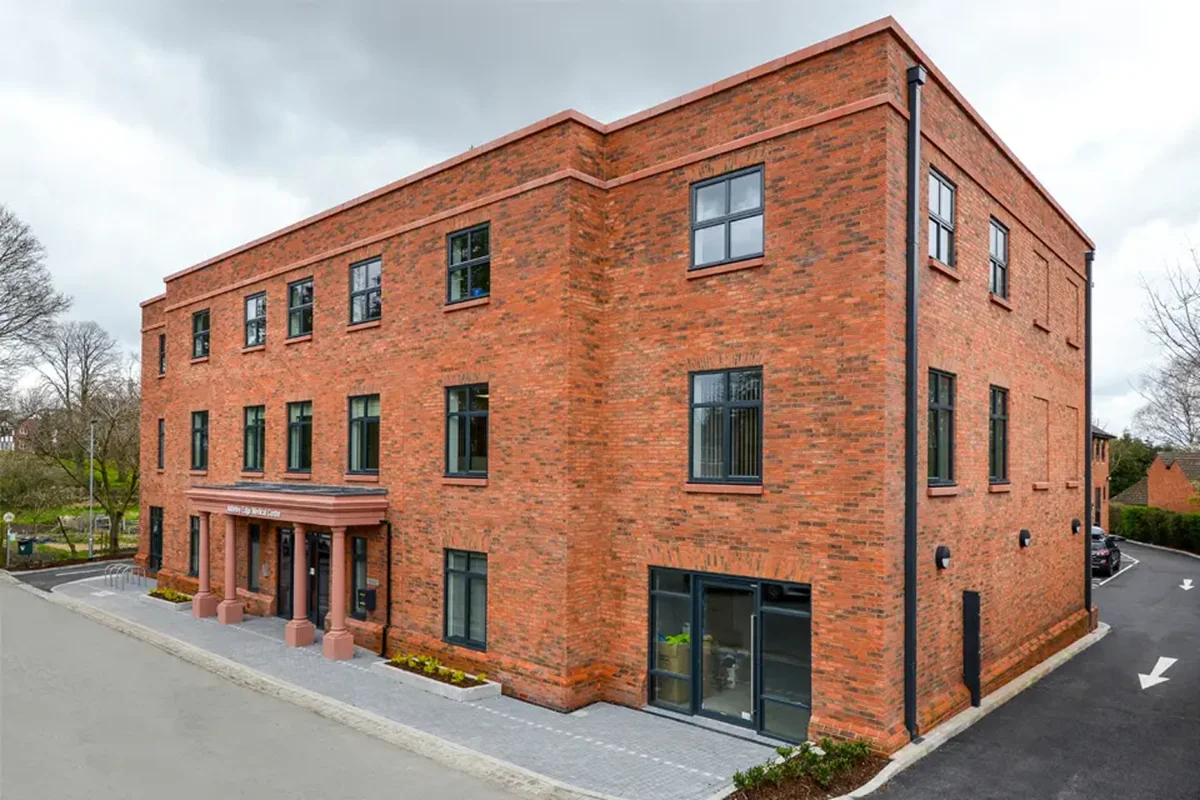
At Theralife Clinics, our consultant clinical oncologists offer low-dose radiotherapy for plantar fasciitis when other treatments, such as stretching, supportive footwear, insoles or physiotherapy, haven't helped enough. We treat patients across Manchester and the North West in our clinic at Alderley Edge Medical Centre, a train ride from Manchester Piccadilly.

Plantar Fasciitis Explained
The plantar fascia runs along the sole of your foot and supports your arch. Plantar fasciitis is when tiny micro-tears and irritation develop in this tissue due to too much stress, tension, or overuse.
Plantar fasciitis causes heel pain that is often worst when you take your first steps in the morning, or after sitting for a while. This pain typically eases as you move around, then returns after long periods of standing or at the end of the day.
Initial treatments like rest, stretching, supportive shoes and physiotherapy can often help relieve plantar fasciitis symptoms. However, some people still have pain after many months, even though they've stuck with these treatments. If you're concerned about persistent heel pain, our doctors at Theralife Clinics can assess your foot and symptoms to help you understand whether radiotherapy may be an option.
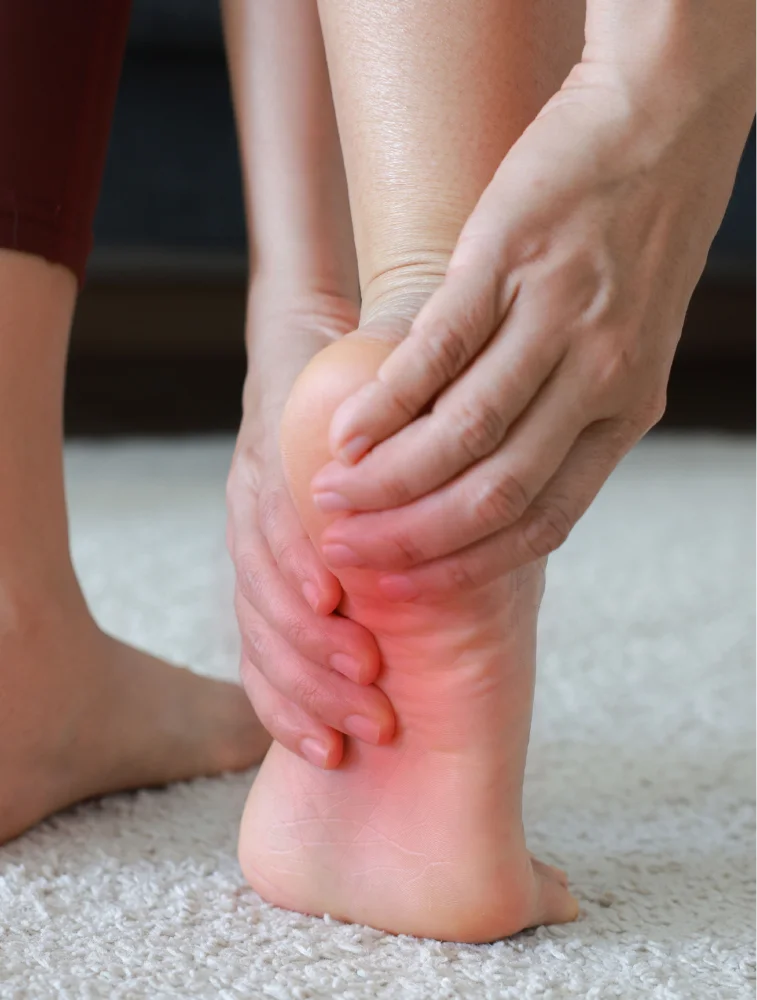
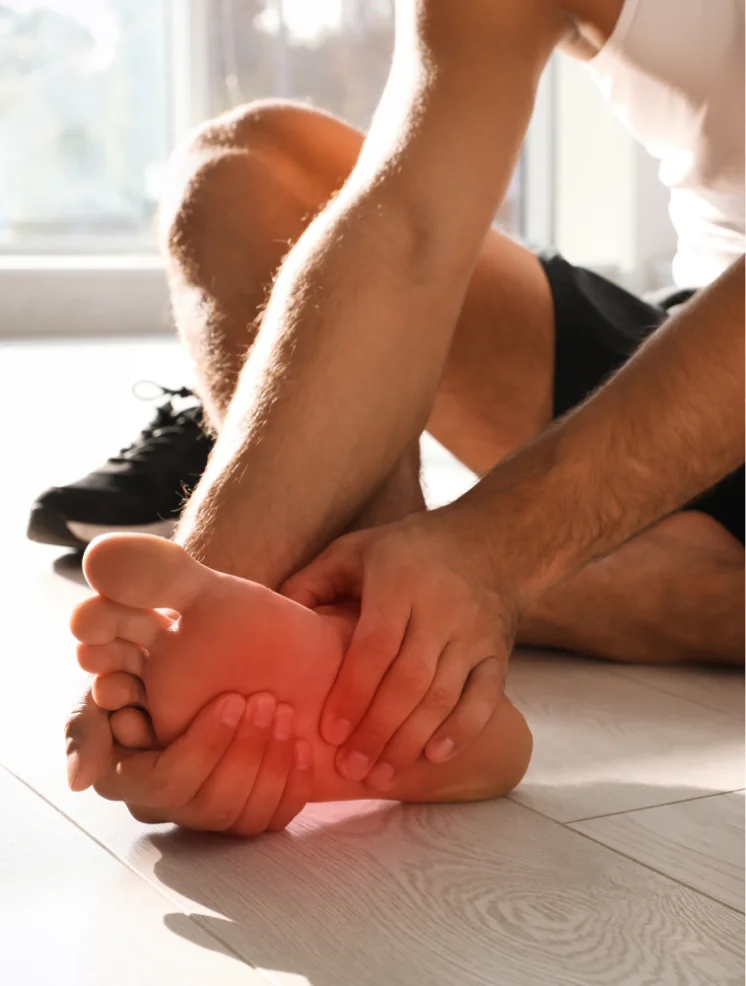
The pain is often worst with your first steps out of bed in the morning, or when you get up after sitting for a while. It can feel sharp and stabbing, or more like a dull ache or bruised tenderness. “First-step pain” happens because your body weight suddenly forces your tightened, injured plantar fascia to stretch out.
Unlike osteoarthritis, heel pain often improves once you have been moving for a few minutes. It may then return after long periods of standing, walking or at the end of the day.
Your heel may feel tender when you press it. This is usually worse in the area just in front of your heel where the plantar fascia attaches to your heel bone.
Walking barefoot on hard or unforgiving surfaces tends to make the pain worse. Supportive footwear often helps as it provides cushioning between the heel and the ground.
The sole of your foot can feel tight. This tends to come with the pain rather than occurring on its own, and often eases with gentle stretching.
Standing and walking can worsen your plantar fasciitis symptoms. You may notice that the pain or stiffness stops you from being able to stand for long periods, doing exercise, or doing everyday activities like walking the dog.
Why Patients Consider Low-Dose Radiotherapy
Low-dose radiotherapy is non-invasive and delivered entirely from outside your body. No recovery time is needed, and you feel no pain at all during the treatment session.
Treatments use less than 10% of the radiation dose used in cancer treatment, and it’s targeted specifically at the affected area of your heel.
Radiotherapy was shown to ease heel pain better than a steroid injection in a randomised trial, with benefits that lasted at 6-month follow-ups. It also helped 9 out of 10 people whose shockwave therapy had not worked.
Sessions take around 10 minutes, no downtime needed. Most people continue with their daily work and routines and drive themselves home after treatments.
Your First Appointment
You will see one of our consultant clinical oncologists directly, not a junior doctor or technician. Dr Richard Shaffer, Dr Ian Lampkin or Dr James Wylie will ask about your heel pain, how long you’ve had symptoms, how they’re affecting your regular activities, and any treatments you’ve already tried. They will assess your foot to locate the tenderness and how it affects your mobility.
Your specialist will advise whether radiotherapy could help, explain what treatment involves and what you can realistically expect, and talk through your options so you can decide what's right for you. If you and your specialist agree that radiotherapy is right for you, our team will arrange your course of treatment. Your sessions will take place at our Alderley Edge Medical Centre on Talbot Road.
Your Treatment Plan
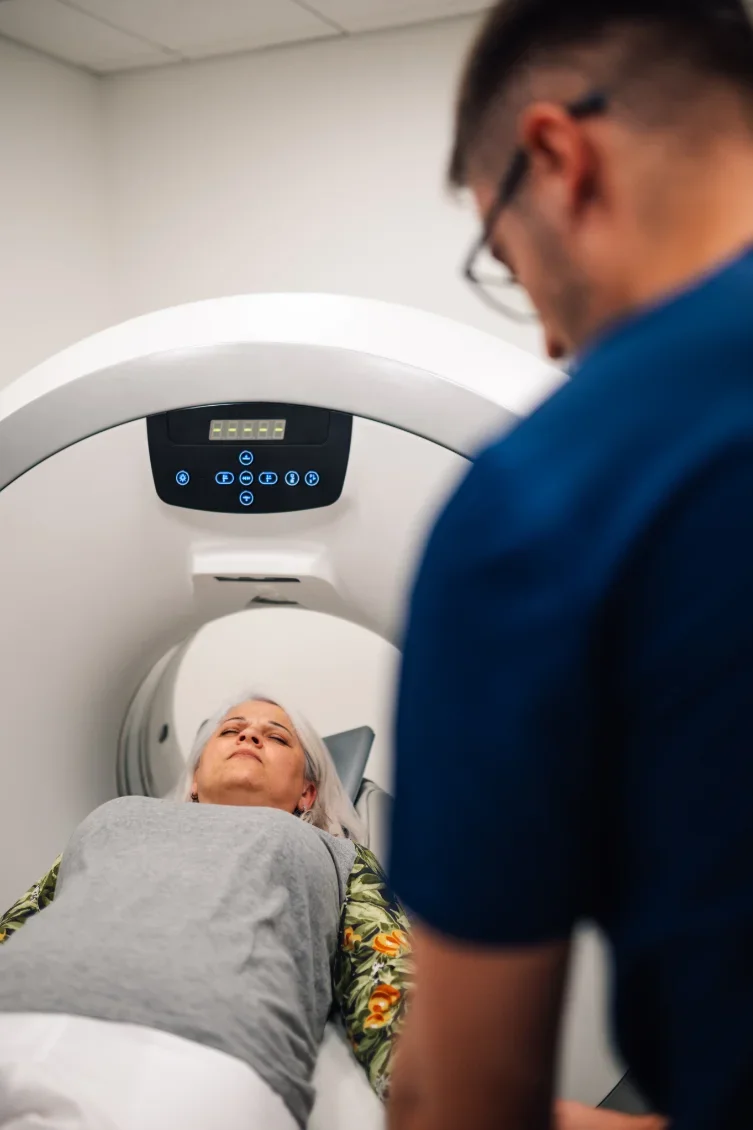
Radiotherapy for plantar fasciitis typically involves 6 sessions spread over roughly 2 weeks, which is supported by clinical studies. Each appointment lasts around 10 minutes, with the radiotherapy itself only taking about a minute or two for each foot. You feel nothing at all during the procedure, and experience no dizziness or drowsiness afterwards. You can drive yourself from your appointment and continue your daily activities as normal.
First Block
Over approximately two weeks.
Review
After your first block, you’ll meet your consultant again so they can assess your results.
Second Block, If Needed
Most people have two blocks of treatment, and the second block of six sessions is included in your package price. If you've had a particularly good response by your review, your specialist may agree you can skip it.
After Your Treatment
The skin on the sole or side of your foot may become slightly red or dry during the 2 to 3 weeks after each block. A temporary increase in pain is also normal. Your specialist will talk you through what is normal and how you can manage these side effects.
Some people experience mild skin dryness in the treated area over the longer term. While rare, any treatment involving radiotherapy carries a small, theoretical risk of cancer. Your consultant will consider your age and health profile and discuss your specific, personal risk.
Improvements tend to build gradually rather than appear immediately. In the trial evidence, the benefits often took 3 months to develop, so it is worth allowing that long before judging the result.
From Symptoms to Treatment
Specialists may recommend low-dose radiotherapy as a non-invasive plantar fasciitis treatment when first-line treatments like physiotherapy and supportive footwear haven’t helped enough. While radiotherapy cannot guarantee permanent relief from your symptoms, successful treatments provide lasting pain relief in most cases.
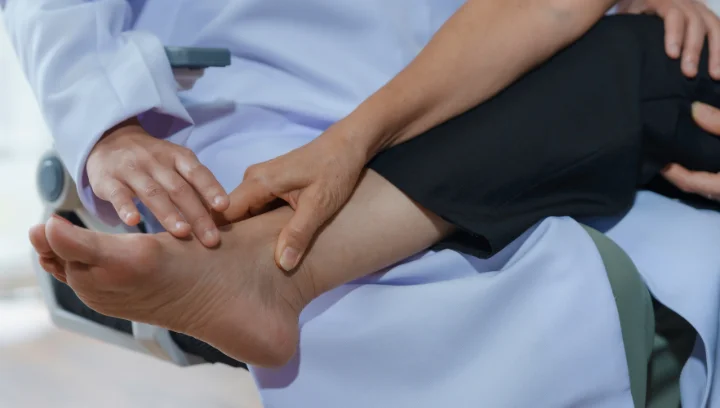
Your specialist or doctor has confirmed the condition. Scans are often not needed.
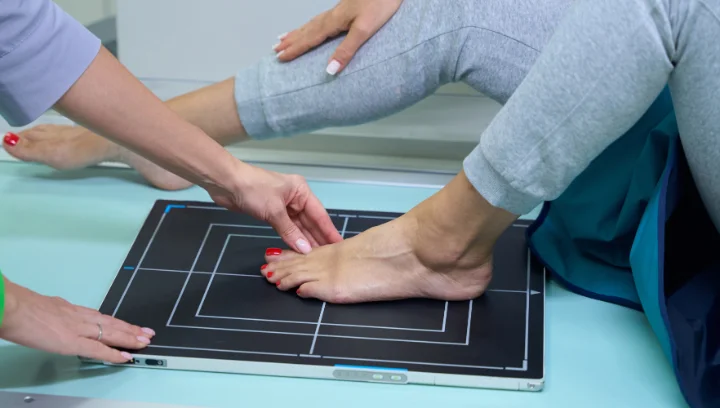
Your heel pain, stiffness, and other symptoms aren’t responding to rest, stretching, and physiotherapy.
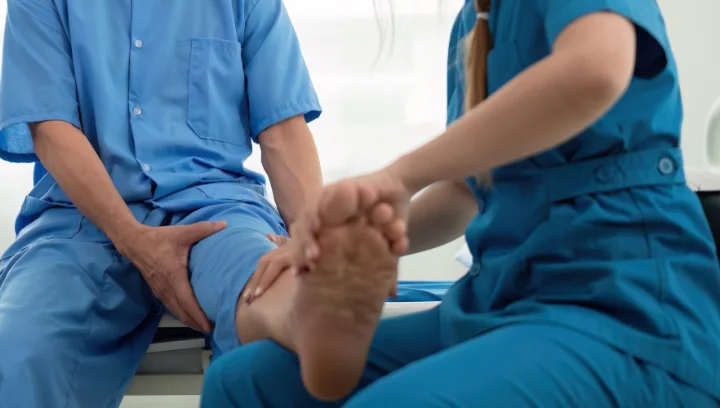
Your symptoms are making it hard to go about your daily life, or making certain activities difficult.
Care That Stands Apart
Our consultant radiotherapy specialists at Theralife Clinics specialise in low-dose radiotherapy for plantar fasciitis and other benign conditions. Get personalised care from the same specialist throughout your treatment, from your first consultation to follow-up. We see patients from across Cheshire, Manchester and the North West.

Common Questions
