Consultant-led Care in Cheshire and Manchester
Osteoarthritis is a condition where the cartilage cushioning the ends of your bones wears thin, leading to joint pain, stiffness and swelling. It is the most common type of arthritis in the UK.
Low-dose radiotherapy is a non-invasive treatment that may help manage osteoarthritis symptoms. It delivers a very small dose of radiation treatment to reduce pain and improve mobility without surgery or needles.
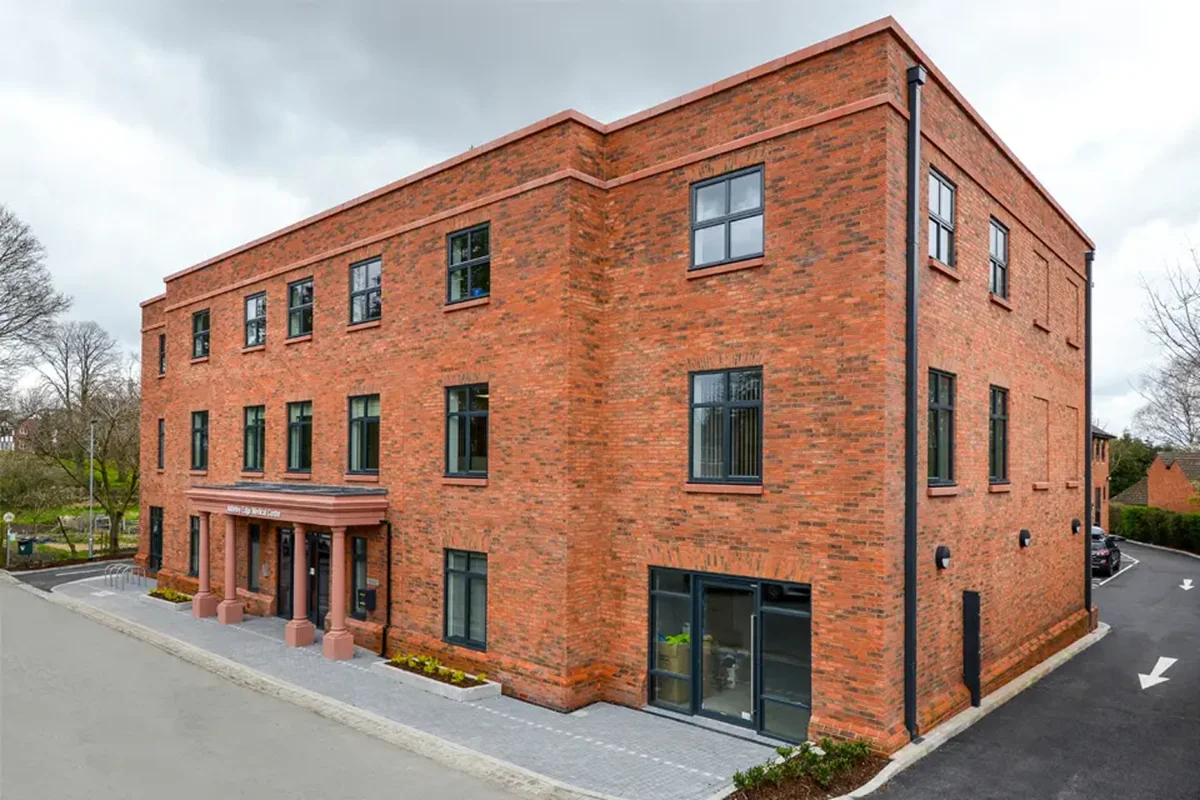
Theralife Clinics offers low-dose radiotherapy for osteoarthritis at Alderley Edge Medical Centre, a short train ride from Manchester Piccadilly. Our consultants specialise in radiotherapy for patients across Manchester and the North West.
Understanding Osteoarthritis
Osteoarthritis is a degenerative condition where the protective cartilage in your joints gradually breaks down. As this tissue wears away, the unprotected bone can change shape. This can restrict how freely your joint moves, making everyday tasks like bending, kneeling, climbing stairs, or gripping objects much harder.
While osteoarthritis can develop in any joint, it most often affects the knees, hips and hands. The condition usually develops in people over the age of 50, but joint injury, being overweight, and family history can all play a role.
There is currently no cure for osteoarthritis, but pain and stiffness can often be helped. If you are concerned about joint pain or suspect you have symptoms, it’s worth considering a specialist assessment. Our doctors at Theralife Clinics can evaluate your joints and medical history and recommend whether radiotherapy is suitable for you.

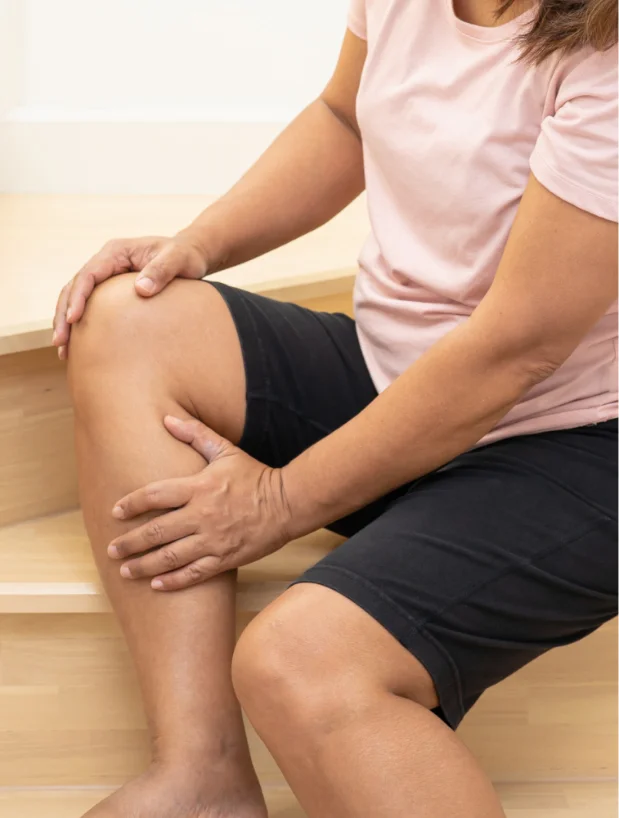
Pain that becomes worse when you use the joint, but eases with rest. As osteoarthritis develops, the pain can become more constant, remaining even while you rest or sleep.
Your joints often feel tight, rigid, or less flexible first thing in the morning (morning stiffness) or after sitting for a while. It eases within 30 minutes of moving around.
Your joint may look swollen, especially after physical activity or at the end of the day. This happens because the tissue around a worn joint can become inflamed, rather than because of infection or injury.
Some people notice a grinding, crunching or crackling sensation (crepitus) when moving the joint. This happens because the rough, uneven bone surfaces move against each other or snap against nearby tissues during movement.
Your joint may not move as freely as before, making everyday movements such as bending, kneeling or gripping harder. This can develop over time, only becoming noticeable once a certain everyday movement becomes difficult.
Depending on which joints are affected, you may have more difficulty with tasks like walking, climbing stairs, gripping objects, or getting dressed. Over time, some people find this affects their independence and confidence as much as the pain itself.
Why Patients Consider Low-Dose Radiotherapy
Radiotherapy treats your joint without incisions, needles, or anaesthetic. There is nothing to recover from afterwards, and most people experience only mild redness of the skin, if anything.
The dose used is only a small fraction of what is used in cancer treatment, aimed specifically at the affected joint.
Studies show low-dose radiotherapy for osteoarthritis, tendinopathy and bursitis have reduced pain in around two-thirds of treated joints.
The treatment sessions are short, and you can drive yourself home and continue working and doing daily activities throughout treatment.
Your First Appointment
You will meet one of our consultants, Dr Richard Shaffer, Dr Ian Lampkin or Dr James Wylie, who specialise in radiotherapy treatment. They will ask about your pain, how long you have had it, what you have already tried, and how it affects your daily life. They will also examine your affected joint to see how it moves and where you feel the most discomfort. We ask patients to have an X-ray before their appointment, and sometimes an MRI as well. If you haven't had one, we'd recommend asking your GP to arrange it before you come to see us. We don't have imaging facilities on site, so any scans are done separately, either through your GP or at a local hospital.
Based on your assessment, your doctor can give you personalised advice on whether radiotherapy is likely to help. They will explain what the treatment course involves and what it may and may not do for you. By the end of your appointment, you’ll have a clear idea of your options, whether you choose radiotherapy, another treatment, or whether you need further tests. If you decide radiotherapy is best for you, you’ll be asked to sign a consent form before your first session. We will never pressure you into decisions on the spot.
Your Treatment Plan
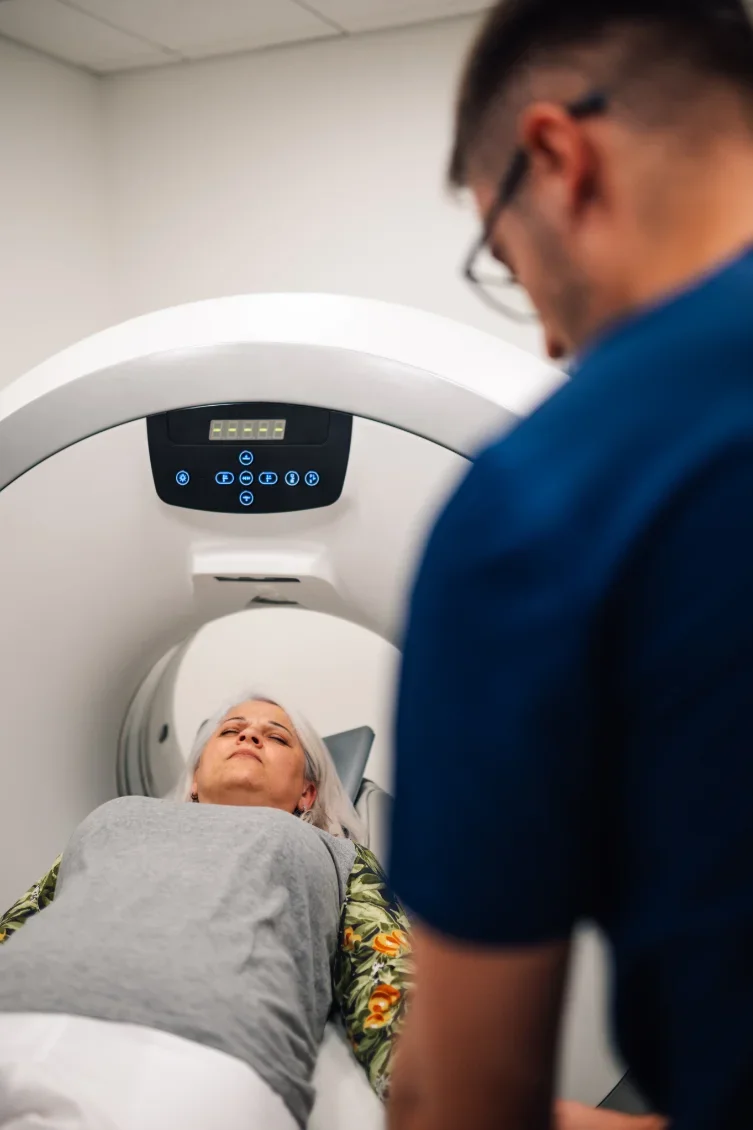
Low-dose radiotherapy for osteoarthritis involves six sessions over two to three weeks. Each appointment takes around ten minutes in total, and the radiotherapy itself takes less than a minute per treated joint. Most people experience no discomfort, and the treatment does not cause drowsiness or dizziness. After your session, you can leave straight away and drive yourself home.
First Block
Over two to three weeks.
Review
You will meet your consultant and talk through how you have responded.
Second Block, If Needed
Most people have a second course of six sessions to further improve their symptoms. If your symptoms have already resolved after the first course, you can choose to stop there.
After Your Treatment
Mild skin redness or dryness in the treated area is normal during the first few weeks after treatment. Slight pain is also common and temporary. Taking it easy with manual work and using a gentle, unscented moisturiser can help.
A small number of people notice long-term skin changes such as mild dryness or thinning. Low-dose radiotherapy carries a very tiny theoretical cancer risk.
Low-dose radiotherapy for osteoarthritis tends to take an average of around 6-8 weeks to have its effect. Most people have a second course of six sessions around three months after the first block.
From Symptoms to Treatment
Low-dose radiotherapy (LDRT) is a simple, non-invasive treatment for pain and inflammation when standard, conservative treatments haven’t helped your osteoarthritis. It works best for early, mild, or moderate osteoarthritis, before the joint is fully worn away. Our specialists will assess your joint, evaluate whether you have osteoarthritis, and advise you honestly on whether radiotherapy can help you. If another treatment is more appropriate, they can help you understand what options are available.
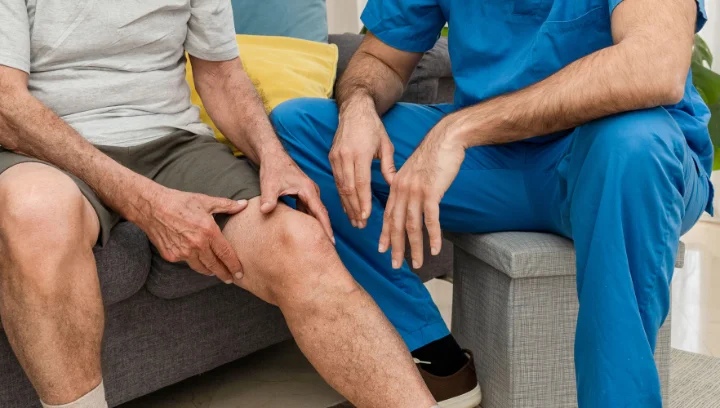
A doctor or specialist has confirmed it by diagnosis, usually with an X-ray.
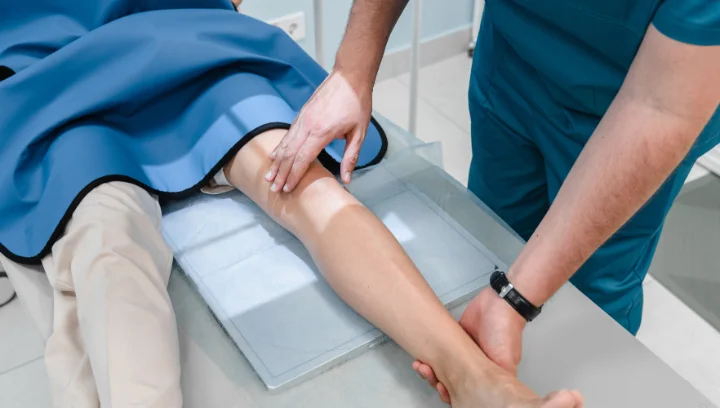
Your joints are still causing you trouble despite rest, exercise and stretching for at least three months.

Your pain or stiffness is significant or stopping you from doing things you want to do.
Care That Stands Apart
At Theralife Clinics, our consultants specialise in low-dose radiotherapy for conditions like osteoarthritis. We treat patients based in Cheshire, Manchester and the wider North West. You speak directly with a consultant with experience in painful joint, tendon and soft tissue conditions with radiotherapy, and the same expert supervises your whole treatment.

Common Questions
