Consultant-Led Care in Cheshire and Manchester
Ledderhose disease, also called plantar fibromatosis, causes firm lumps to grow in the sole of the foot. For most people, the main problem is pain when they walk and tenderness when pressure is applied to the lump. Low-dose radiotherapy treats it without surgery. It aims to reduce pain, shrink existing nodules and stop them from growing further.
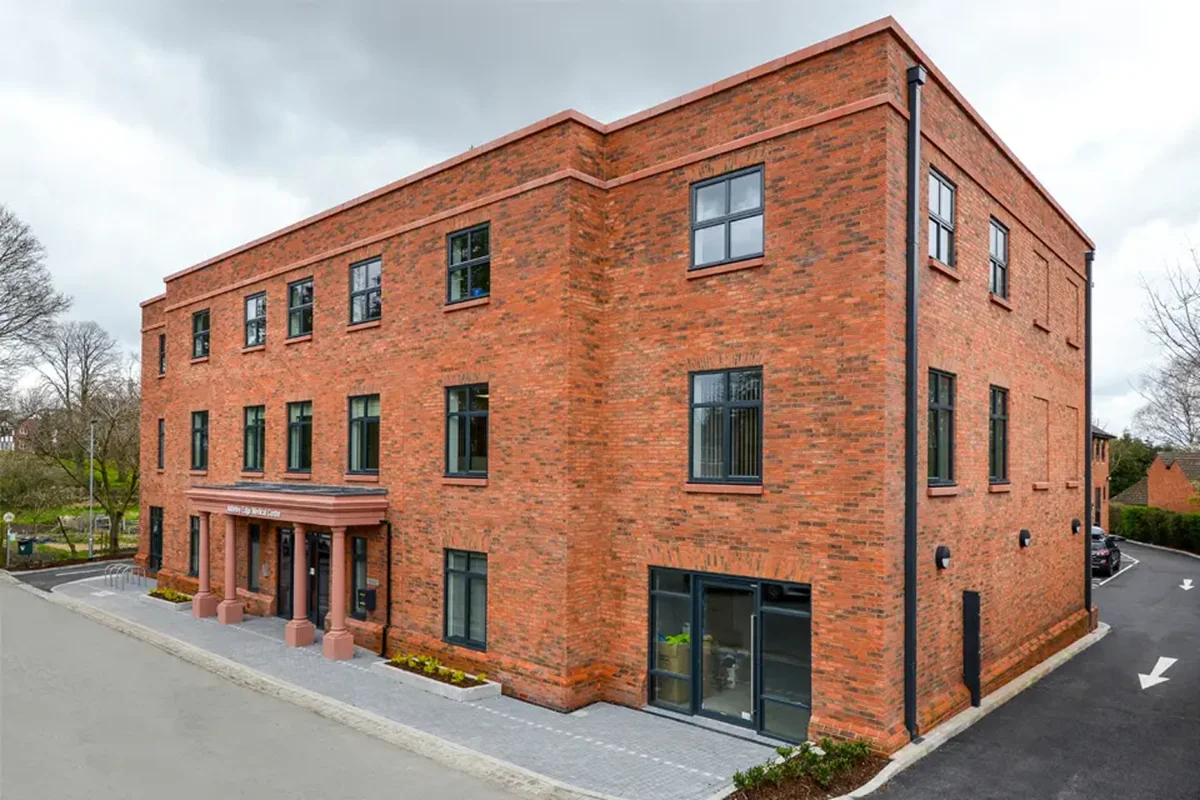
Theralife Clinics specialises in low-dose radiotherapy for benign conditions like Ledderhose disease, delivered by consultant clinical oncologists at Alderley Edge Medical Centre.
Ledderhose Explained
Ledderhose disease is a benign condition affecting the plantar fascia, the strong band of tissue running along the sole. Firm lumps develop within it. A single lump is called a plantar fibroma. You may also see the condition called plantar fibromatosis or plantar fascia fibromatosis. It belongs to the same family of conditions as Dupuytren's contracture, and is sometimes described as Dupuytren's disease of the foot.
The nodules most often appear in the arch of the foot. Unlike in the hand (where Dupuytren’s disease causes fixed bending of the fingers), this condition rarely makes your toes become curled. For most people, the issue is pain and tenderness, and the bulkiness of the lump making certain shoes hard to wear. Not every nodule hurts. Whether one causes pain depends on where it sits, the shape of your arch, and whether you step directly on it. Size is a poor guide to how much trouble a nodule will cause: a small one sitting directly under where you take your weight can be very sore, while a larger one higher in the arch may be barely noticeable.
If you have found a new lump in your foot, have it examined before assuming what it is. Lumps in the sole have several possible causes, and only an examination will confirm which one you have. Book an assessment and one of our consultants will examine your foot, confirm the diagnosis, and tell you whether radiotherapy is likely to help.
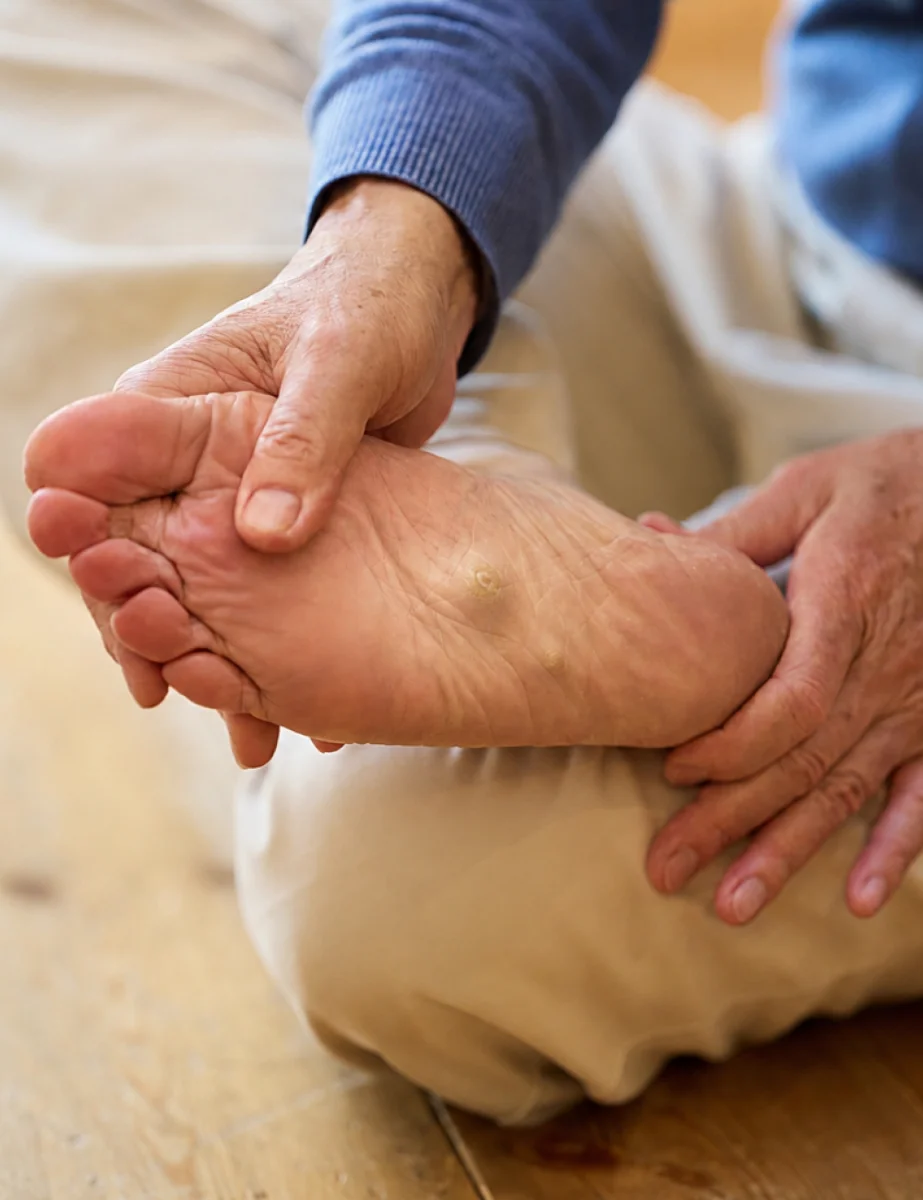
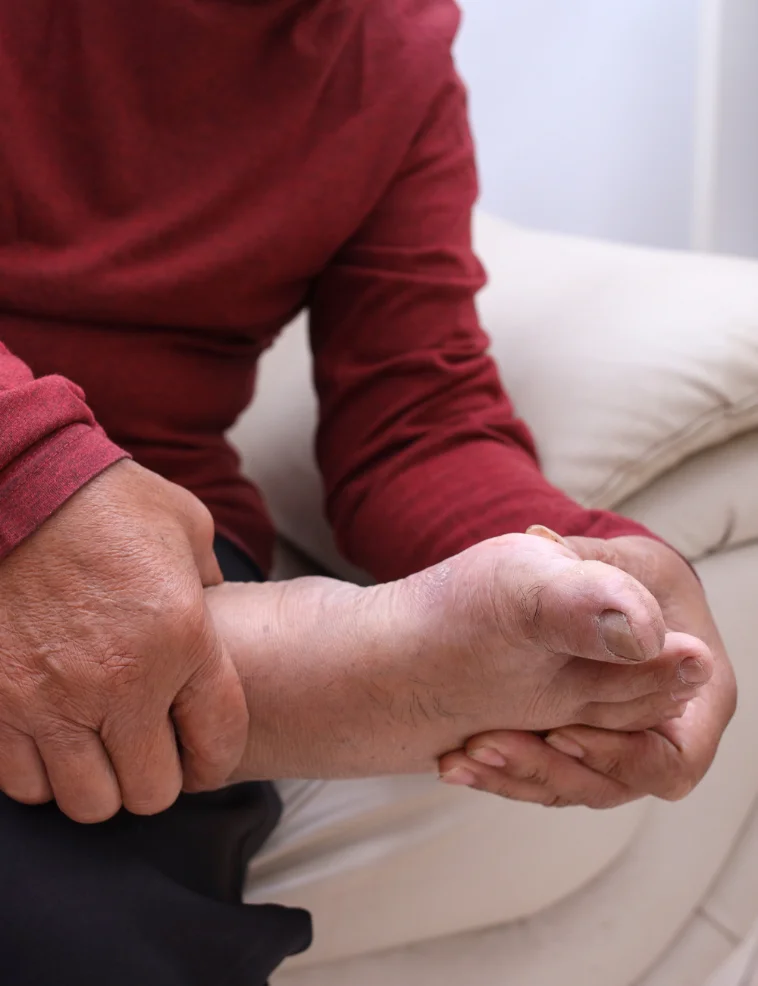
A firm lump forms within the arch of the foot, fixed to the tissue beneath rather than moving freely under the skin.
People naturally shift their weight to avoid a sore spot. Over time, that altered gait can cause discomfort elsewhere in the foot and leg.
The bulk of the nodule presses against the sole or upper of a shoe. Thin-soled or hard shoes tend to be the worst.
Walking barefoot on hard or uneven floors concentrates pressure straight onto the nodule.
Nodules often appear in clusters along the arch, and Ledderhose disease can affect both feet. Some people also have Dupuytren's disease in the hands, since the two conditions are closely related.
Pain is usually pressure-related rather than constant. A lump under the ball of the foot or towards the heel gets stepped on repeatedly and can become sore quickly. One high in the arch may cause little trouble.
Why Patients Choose Low-Dose Radiotherapy
In 2023, a Dutch multicentre trial (the LedRad study) compared radiotherapy treatment against a sham treatment (also called “placebo”, where they just pretended to give radiotherapy treatment). At 12 months, patients who received radiotherapy had significantly better pain relief, function and quality of life than those who received the placebo.
Radiotherapy targets the overactive fibroblasts responsible for laying down abnormal tissue within the nodules. For most patients, that means less pressure and tenderness in the arch, with walking and wearing shoes becoming more comfortable again.
Treatment is delivered from outside the body. There are no incisions, no needles, no anaesthetic, and nothing to recover from afterwards. In contrast, surgical removal of a plantar fibroma carries a reported recurrence rate of 60 to 100 per cent, depending on how much tissue is removed.
Each session takes around ten minutes per foot, in an appointment of roughly twenty minutes. You can drive yourself, walk out normally and go straight back to work the same day.
Your First Appointment
You will be seen by one of our consultant clinical oncologists - Dr Richard Shaffer, Dr Ian Lampkin or Dr James Wylie. All of our consultants are clinical oncologists who specialise in radiotherapy, with particular expertise in treating benign conditions such as Ledderhose disease.
Your consultant will ask when you first noticed the lump, whether it has grown, how far you can walk before it hurts, and which shoes have become difficult to wear. They will examine both feet, and note where the nodules are in the foot.
You will then discuss what that means. Not everyone needs treatment straight away. If a lump is very new, your consultant may suggest a review rather than immediate treatment. Where it has been present for some months and is still painful, radiotherapy is usually the right next step.
Your Treatment Plan
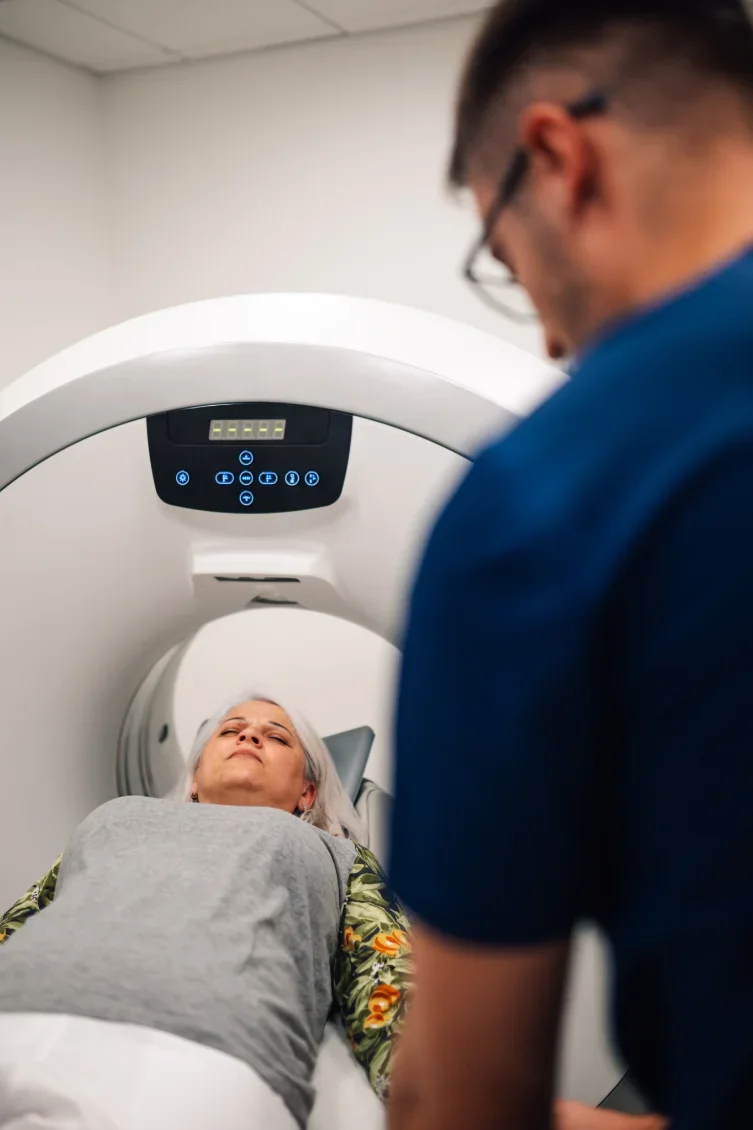
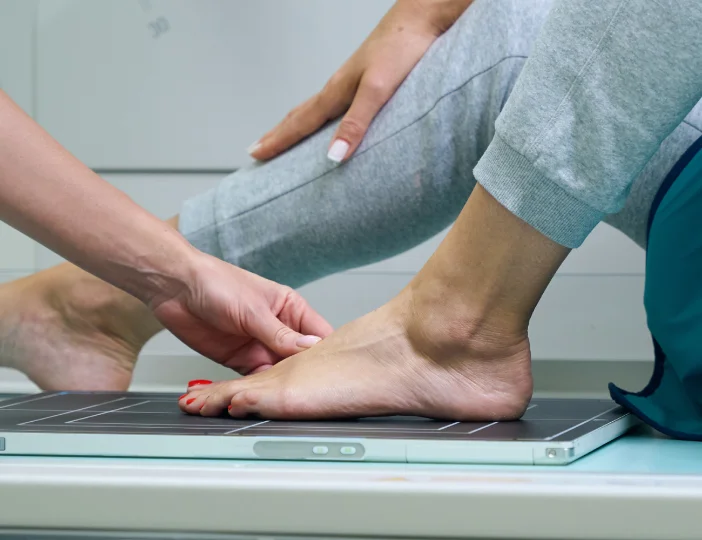
Radiotherapy for Ledderhose is given in two short blocks rather than all at once, with a gap in between to give the tissue time to respond. You lie with your foot supported in the same position each time, and a shield protects the rest of foot.
Both feet can be treated in the same visit where both are affected. After the second block, you will be sent a questionnaire to assess how you have responded to the treatment.
First Block
Over one week, Monday to Friday.
Tissue Recovery
We are flexible on timing and can work around your commitments.
Second Block
Over one week, completing the course of ten.
After Your Treatment
Two to three weeks after each treatment week, the skin on the sole of your foot may become red, sore or dry, similar to mild sunburn. A simple, unperfumed moisturiser is usually all that is needed, and for most people it settles within a couple of weeks.
Some patients may develop lasting dryness in the treated area, because radiotherapy reduces the activity of the sweat glands there. This is managed with moisturiser. There is also a theoretical risk that radiation can cause a type of skin cancer in the treated area. This is a very low risk and your consultant will discuss this with you directly and take your age and medical history into account.
The change is gradual rather than sudden. Some people notice a difference within a few months, but the result should be judged at around a year, and some still continue to improve at eighteen months or two years.
From Symptoms to Treatment
Because radiotherapy takes time to reach its full effect, there is little sense in waiting until the pain is severe. Treating earlier means less time spent in discomfort while the benefit builds.
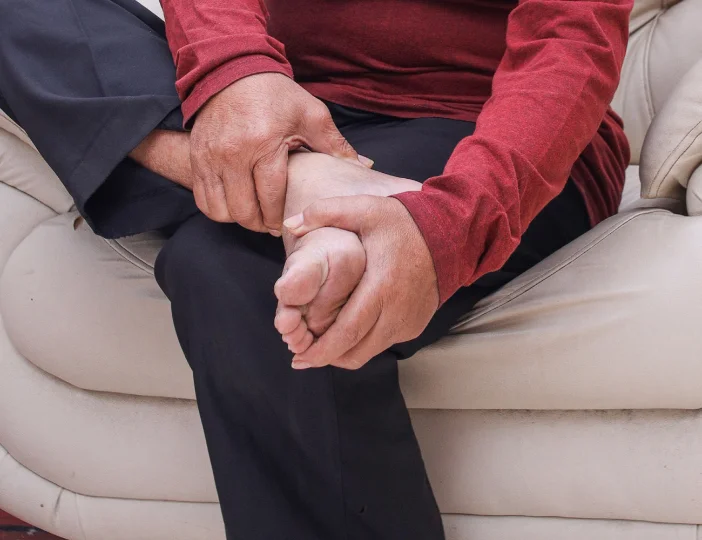
If the lumps are growing or are painful
Nodules that are painful or growing, or how far you can walk or which shoes you can wear. This is the stage at which radiotherapy is most likely to help.
If Nothing Else Has Worked
There are enzyme injections that are said to be helpful for some people, but they are difficult to access in the UK and are not currently backed up by published evidence. Other treatments may also be recommended during the consultation, but again there is minimal published evidence supporting their use. Surgery tends to be a poor option for treating Ledderhose disease. The problem is that the lump comes back in most people, and often you end up with more lumps than you started with, and you may also end up with a painful surgical scar.
Care That Stands Apart
Theralife Clinics is a consultant-led clinic specialising in low-dose radiotherapy for benign conditions. The same consultant looks after you from your first assessment through to follow-up. We see patients from Alderley Edge, Wilmslow, Handforth, Prestbury, Macclesfield, Bramhall, Knutsford, Poynton, Cheadle Hulme, Altrincham, Stockport and Manchester city centre, and from further afield across the North West.

Common Questions
